
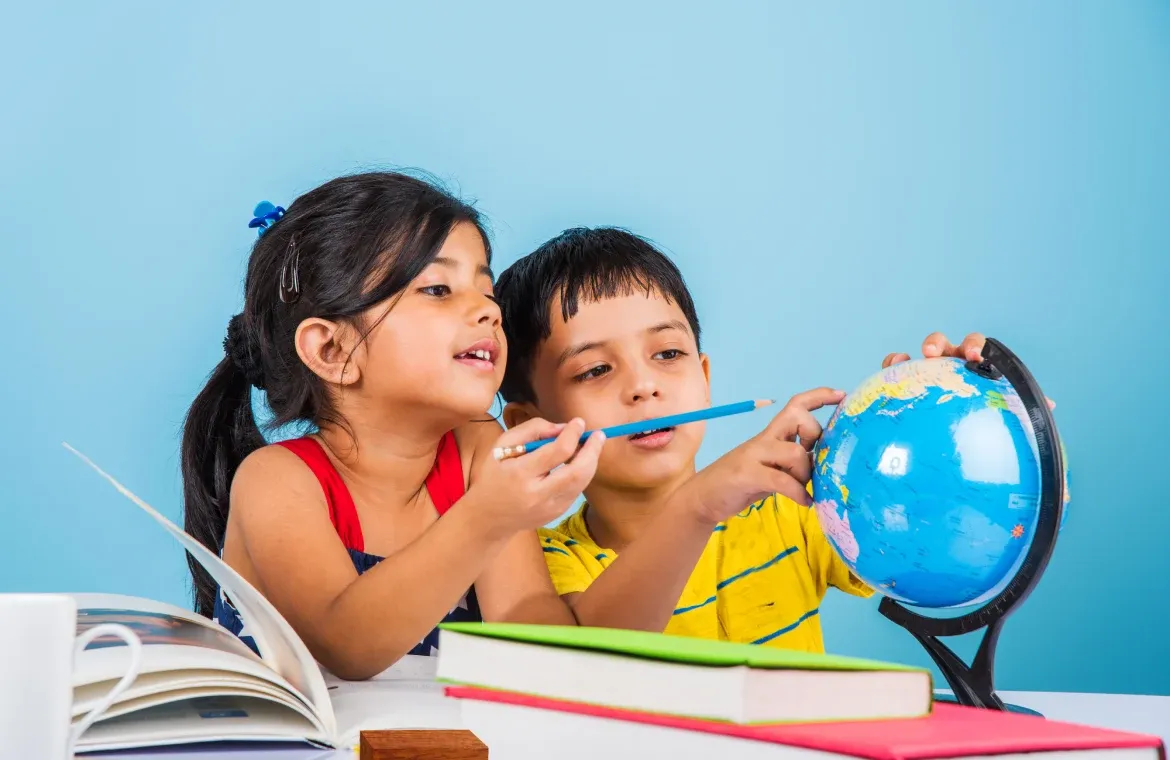

A School is far more than a building where students gather to study. It is a social, intellectual, and developmental environment that shapes the foundation of a person’s future. The concept of School has expanded significantly as communities recognize the importance of academic growth, emotional development, practical skill building, and cultural understanding. While the core mission of School remains centered on education, modern expectations have broadened to include mental wellness support, digital literacy training, and long term career readiness. As families and educators navigate these shifts, it becomes clear that School plays a pivotal role in preparing young people for a rapidly changing world.
In the early stages of life, a School establishes how children think, communicate, and interact with others. It becomes the environment where they first engage in structured learning, test their abilities, and discover personal interests. Understanding how the purpose of School has evolved helps parents, educators, and policy leaders build stronger learning communities.
What Defines the Purpose of School Today
School provides the intellectual foundation needed to navigate life, but it also shapes social behavior, nurtures creativity, and exposes students to diverse experiences. The modern School combines academic instruction with personal development opportunities intended to prepare students for adulthood.
Academic Learning at the Core
Academic instruction remains the primary mission of School. Students develop essential knowledge across subjects that support logical thinking and problem solving.
Key academic focuses include:
- Literacy and communication
- Mathematics and analytical reasoning
- Science and practical experimentation
- Social studies and cultural awareness
- Technology and digital fluency
These areas give students the tools needed to understand the world and make informed decisions.
Emotional and Social Development
Schools help students build emotional intelligence and interpersonal skills, both of which are increasingly recognized as essential for success.
Important components include:
- Understanding emotions
- Collaborative problem solving
- Managing conflict
- Building confidence
- Developing empathy
Social environments at school help students form healthy relationships and become effective communicators.
Preparation for Lifelong Learning
Modern School environments encourage curiosity and a willingness to learn continuously. Students must be prepared for a future where knowledge evolves quickly and new skills become necessary.
This preparation includes:
- Encouraging independent thinking
- Teaching research skills
- Cultivating responsibility and self motivation
- Promoting adaptability
Lifelong learning strategies help students succeed in an unpredictable job market.
Levels of School and Their Contributions to Student Growth
Early Childhood and Preschool
Early School experiences influence cognitive and emotional development. Children begin forming the habits and attitudes that shape long term academic success.
Key features of early education include:
- Language development
- Motor skill growth
- Social interaction
- Creative exploration
- Early numeracy and reading foundation
Children exposed to rich early learning environments often demonstrate stronger confidence and improved readiness for elementary school.
Elementary School
Elementary School builds academic foundations and teaches students how to navigate structured learning environments. Students begin understanding responsibility and independence.
Core contributions include:
- Strengthening reading and math
- Introducing science and social studies
- Developing study habits
- Encouraging curiosity
- Enhancing emotional expression
These years are crucial for identifying student interests and supporting early strengths.
Middle School
Middle School presents students with more complex concepts and encourages deeper self awareness. It acts as a transitional period between foundational learning and the advanced expectations of high school.
Students learn:
- Critical thinking
- Time management
- Multi step problem solving
- Collaborative learning
- Early career exploration
This stage often shapes future academic and personal identity.
High School
High School prepares students for adulthood, higher education, or early work experiences. Students refine their interests and begin to consider long term career paths.
High School focuses on:
- Advanced subject knowledge
- Elective courses that reveal passions
- Leadership opportunities
- College and career preparation
- Personal responsibility
Students also explore extracurricular activities that help build confidence and teamwork.
How School Supports Broader Community Development
Schools are an essential part of any community, providing stability, social structure, and cultural growth.
Strengthening Local Economies
Schools contribute to economic stability by educating future workers and leaders. They help communities attract businesses and create skilled labor pipelines.
Economic benefits include:
- Increased job readiness
- Higher earning potential for graduates
- Stronger local workforce
- Attraction of new families to the community
Regions with strong school systems often experience long term economic growth.
Building Social Cohesion
Schools bring together students from different backgrounds and create shared experiences that strengthen community relationships.
Social benefits include:
- Exposure to cultural diversity
- Shared traditions and activities
- Community events and engagement
- Opportunities for civic involvement
Schools serve as central hubs of community life.
Promoting Public Health and Wellness
Schools support wellness through physical education, nutrition programs, and health awareness initiatives.
Wellness contributions include:
- Encouraging healthy lifestyle habits
- Providing mental health resources
- Offering safe environments for children
- Supporting physical development
These efforts foster positive long term habits.
The Role of Teachers in the School Environment
Teachers shape student experiences through instruction, mentorship, and emotional support. They play a key role in the success of every student who walks through the classroom door.
Instructional Expertise
Teachers must understand their subject matter deeply and present it in ways that engage students. They design lessons that connect concepts to real life situations.
Instructional strengths include:
- Clear explanations
- Creative lesson planning
- Assessment design
- Adaptation to student needs
Good teaching helps students build academic confidence.
Mentorship and Guidance
Teachers often act as role models. They support students academically but also help them manage emotions, build resilience, and make responsible decisions.
Mentorship includes:
- Listening to student concerns
- Providing encouragement
- Guiding students through challenges
- Helping students envision future goals
A supportive teacher can positively influence a student’s life trajectory.
Classroom Leadership
Effective teachers maintain structure and consistency. They foster environments that support respect, safety, and active engagement.
Leadership skills include:
- Managing classroom dynamics
- Promoting fairness
- Setting expectations
- Encouraging participation
Strong classroom leadership improves learning outcomes.
Technology’s Growing Role in School
Digital learning has become a permanent part of modern education. Schools use technology to prepare students for the digital world and create more accessible learning options.
Digital Tools for Learning
Students benefit from interactive resources that reinforce understanding.
Examples include:
- Educational software
- Digital textbooks
- Virtual simulations
- Online research systems
These tools enhance engagement and improve retention.
Hybrid and Online Learning Options
Schools increasingly offer flexible learning environments that blend in person and online instruction.
Benefits include:
- Personalized pacing
- Expanded course availability
- Access for students with health or transportation challenges
- Opportunities for advanced learning
Hybrid learning allows schools to adapt to different student needs.
Technology Literacy
Schools teach students to use digital tools responsibly and effectively.
Digital literacy includes:
- Research skills
- Safe online behavior
- Understanding digital systems
- Basic coding and data skills
These abilities prepare students for future careers.
The Social Role of School Outside the Classroom
School life includes activities beyond academics that shape personal growth and identity.
Extracurricular Activities
Clubs, sports, and arts programs provide important developmental opportunities.
Benefits include:
- Confidence building
- Leadership development
- Team collaboration
- Creative expression
Extracurriculars often influence future interests and careers.
Peer Interaction
Peer relationships help students learn social navigation and communication.
Through peer interactions, students learn to:
- Resolve disagreements
- Collaborate on tasks
- Build friendships
- Understand perspective
Peer experiences contribute to emotional maturity.
Personal Responsibility
Schools teach students to manage obligations and understand the consequences of their actions.
Responsibility includes:
- Meeting deadlines
- Balancing activities
- Managing time
- Setting goals
These skills transfer directly into adult life.
Frequently Asked Questions
How can parents support their child’s success in school?
Parents can support learning by fostering consistent routines, communicating with teachers, and encouraging curiosity at home. Creating a quiet study area and praising effort rather than perfection also strengthens long term motivation.
What should students do if they feel overwhelmed by schoolwork?
Students should speak with teachers, counselors, or parents to discuss workload and stress. Breaking tasks into smaller steps, using planners, and developing study habits often helps reduce pressure.
How do schools address different learning styles?
Many schools incorporate visual, auditory, and hands-on teaching methods. Teachers often adjust pacing, offer additional resources, and use technology to reach diverse learners.
How important are extracurricular activities for student development?
Extracurriculars are essential for building teamwork, leadership, and confidence. They also help students discover new interests, which can influence academic motivation and future career choices.
Can technology replace traditional classroom learning?
Technology enhances learning but cannot fully replace in person experiences. Classroom environments support social development, emotional growth, and hands-on activities that benefit from face to face interaction.
If you would like, I can write additional articles related to specific schooling levels, educational reform, or student development topics.

Comments are closed.